
Water Reciprocity Fund
A Sonder-led water fund, created with followers of Malidoma Somé and Sobonfu Somé, bringing sustainable, clean water to Dagara communities in reciprocity for their teachings.
About the Water Reciprocity Fund
In 2023, somatic practitioner and ritualist Coby Leibman—who studied with Malidoma Somé—was introduced to The Sonder Project’s CEO, Chad Zibelman, to explore how followers of Malidoma and Sobonfu Somé could give back to Dagara communities in reciprocity for the teachings they shared.
The Sonder Project sent its Burkina Faso team to the Dano area—home to the majority of Dagara people—to assess community needs. Clean water quickly emerged as the most urgent and sustainable opportunity. Through our Water Is Our Right program, five wells now serve Dagara communities, and additional gifts help drill new wells and train local mechanics to ensure long-term sustainability.
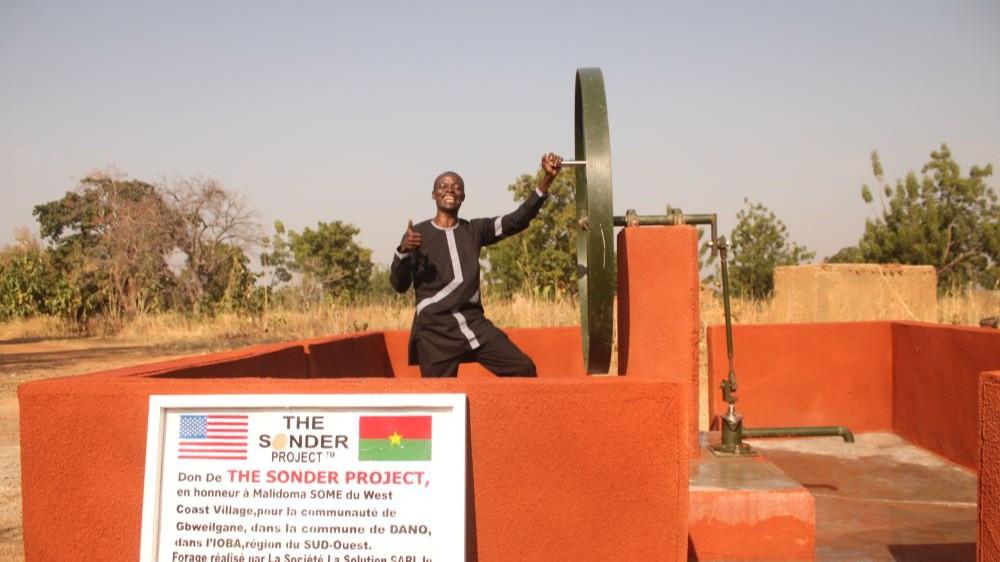
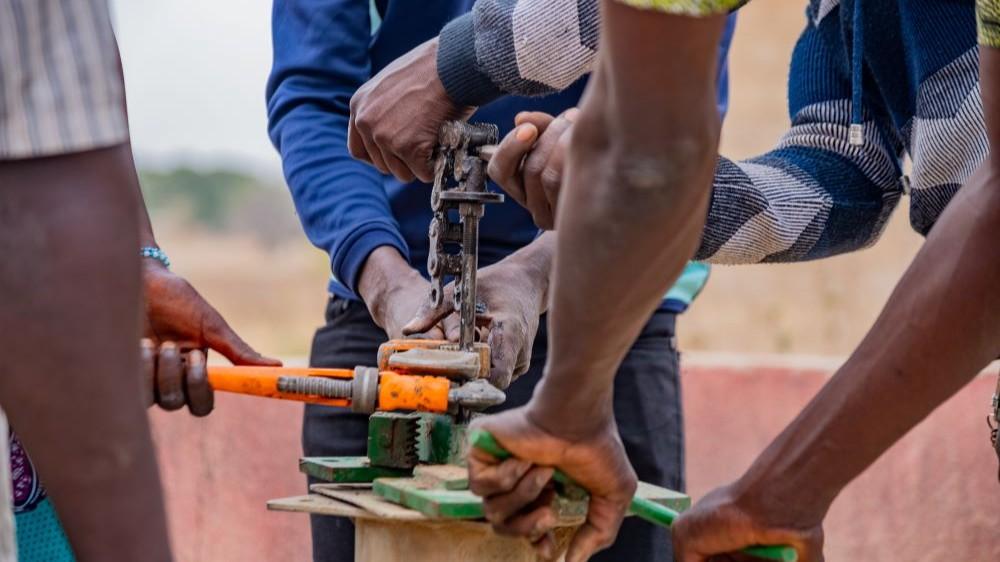
Completed Wells in Dagara Communities Made Possible by The Water Reciprocity Fund...
Gbweilgane South - Well #1
Completed December 2023
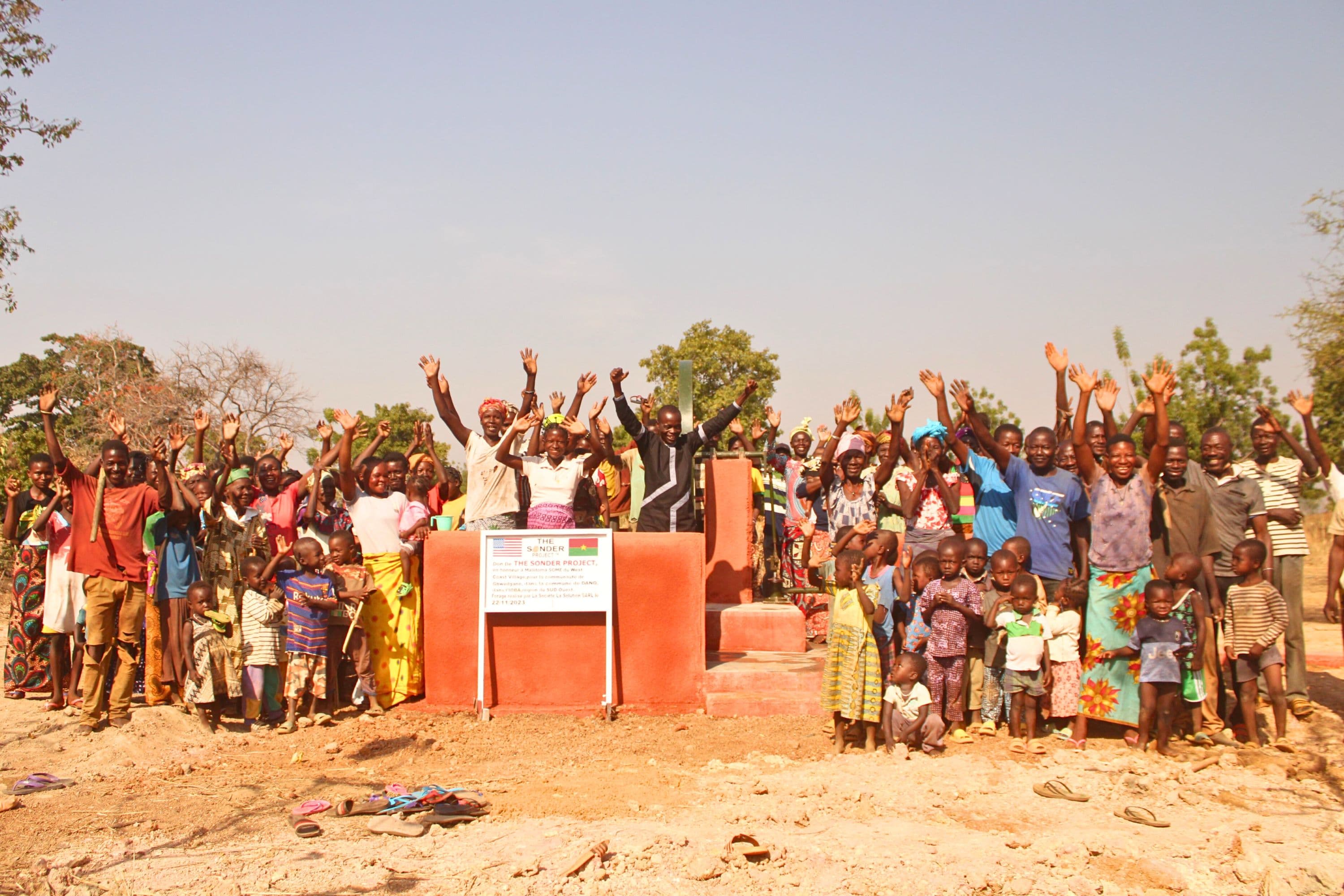
Gbweilgane Central - Well #2
Completed June 2024
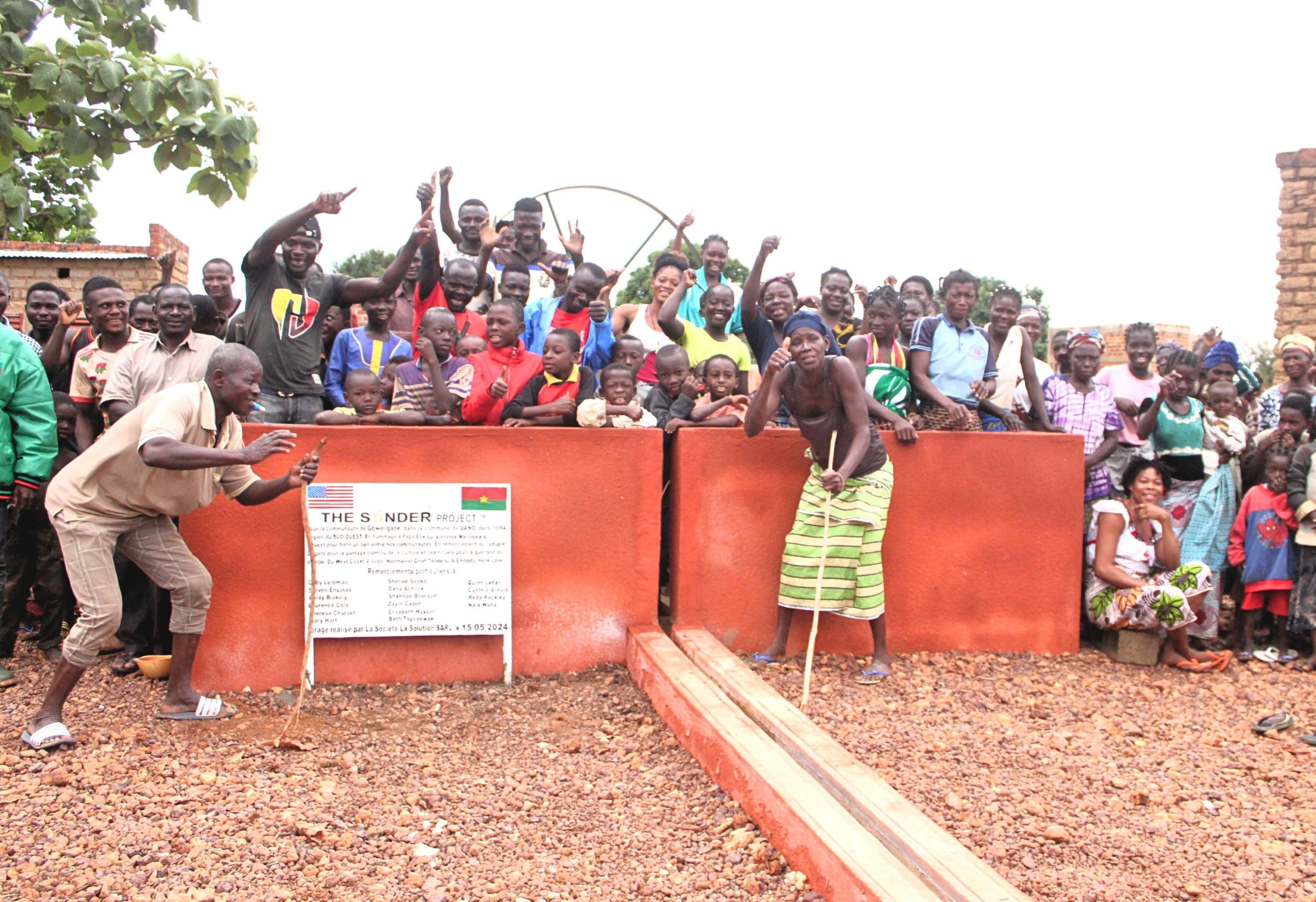
Gbweilgane North - Well #3
Completed February 2025
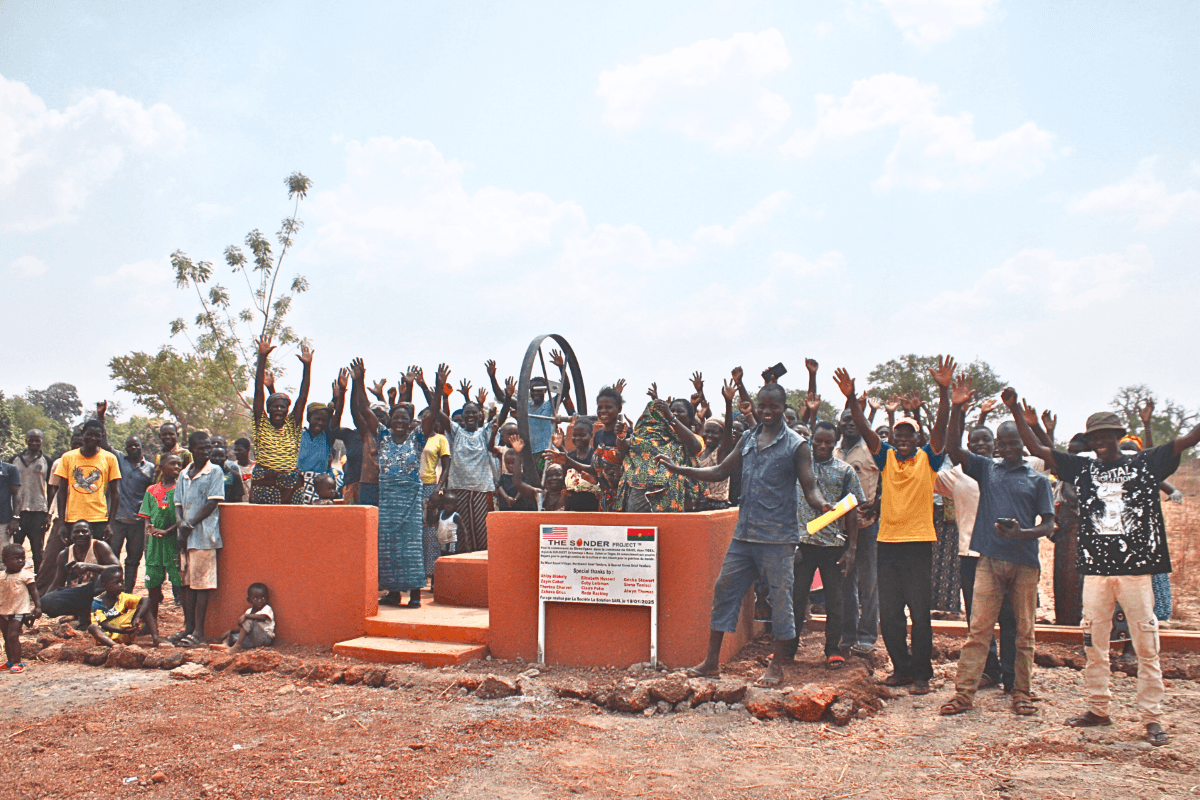
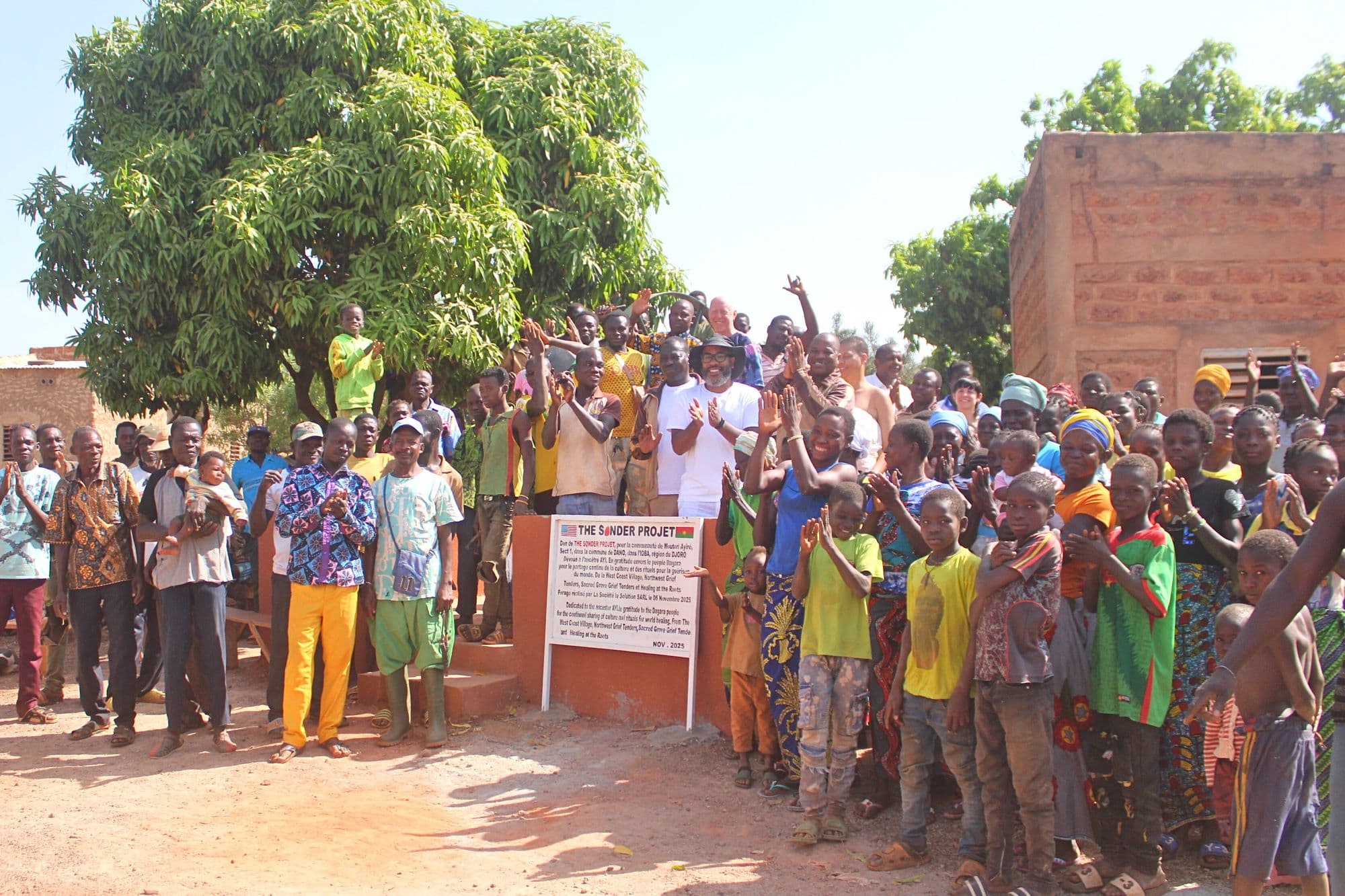
Moutori Ayire - Well #4
Completed November 2025
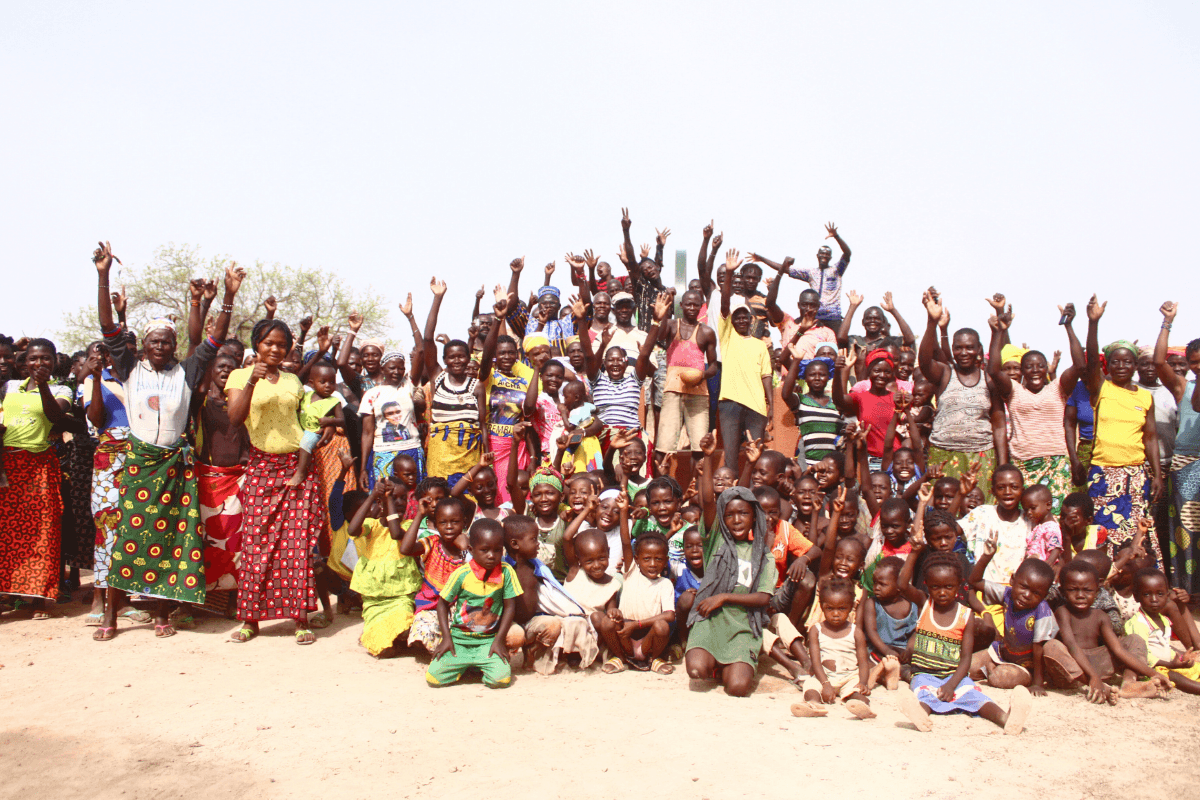
Badiere - Well #5
Completed March 2026
Well #6 - Coming Soon!
Thanks to all your support, we are planning for the next well to be drilled before the end of 2026.
Stay Tuned!
About The Sonder Project
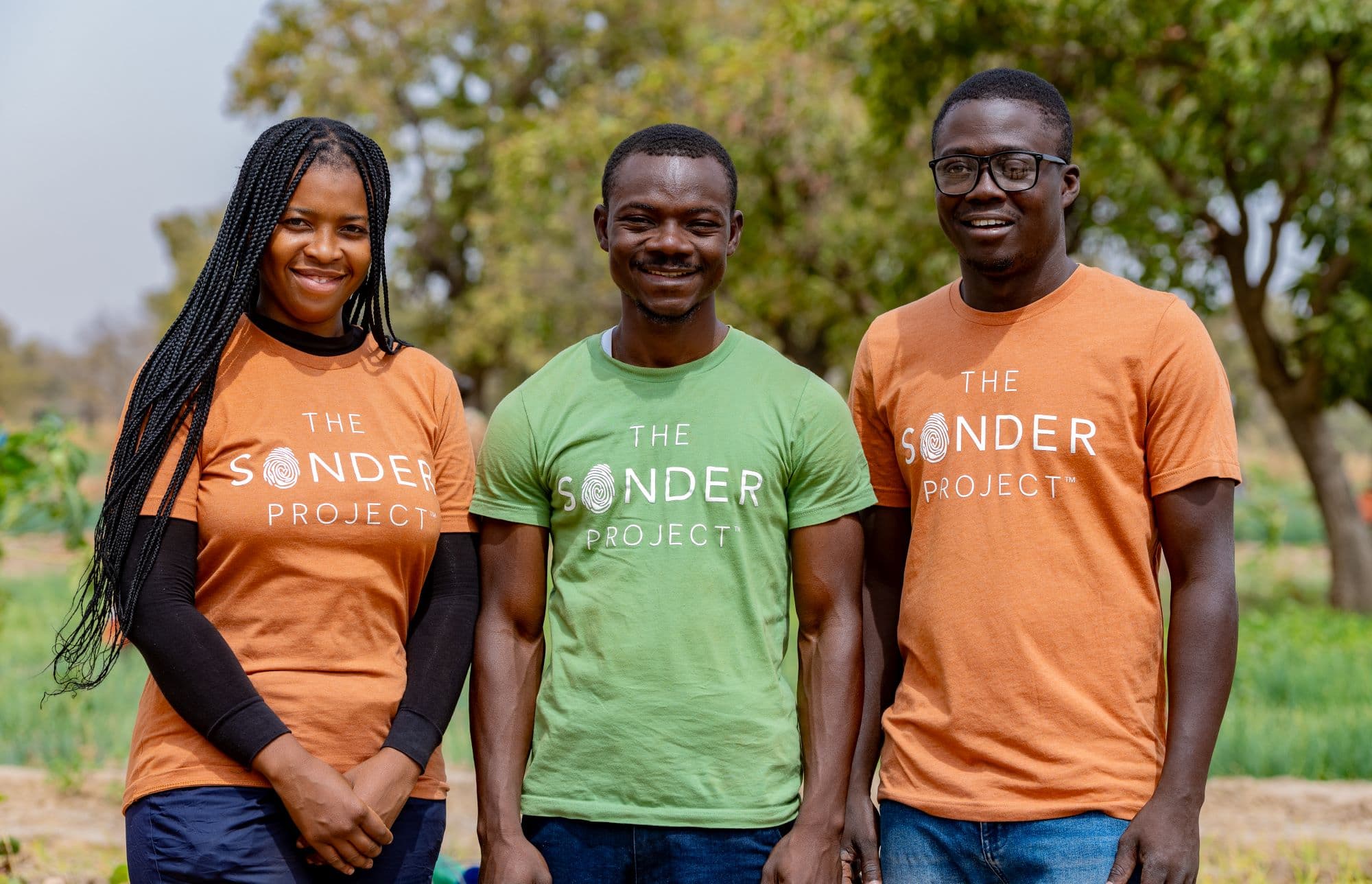
The Sonder Project's Country Staff in Burkina Faso
Founded in 2015, The Sonder Project empowers communities through high-impact, sustainable development. We focus on clean water, education, and sustainable agriculture in Burkina Faso and Malawi. As of December 2025, we’ve drilled over 75 wells providing safe water to 69,000+ people, sponsored more than 300 students through our Education Is Power program, and operate a community farm to strengthen food security and economic opportunity.
Because the Dano area is several hours from our country office in Ouagadougou—farther than our primary impact areas in the Centre-Sud and Centre-Ouest—our work there focuses on water, the most sustainable program we can deliver without daily oversight. The added distance and travel also increase project costs compared to other regions in Burkina Faso.